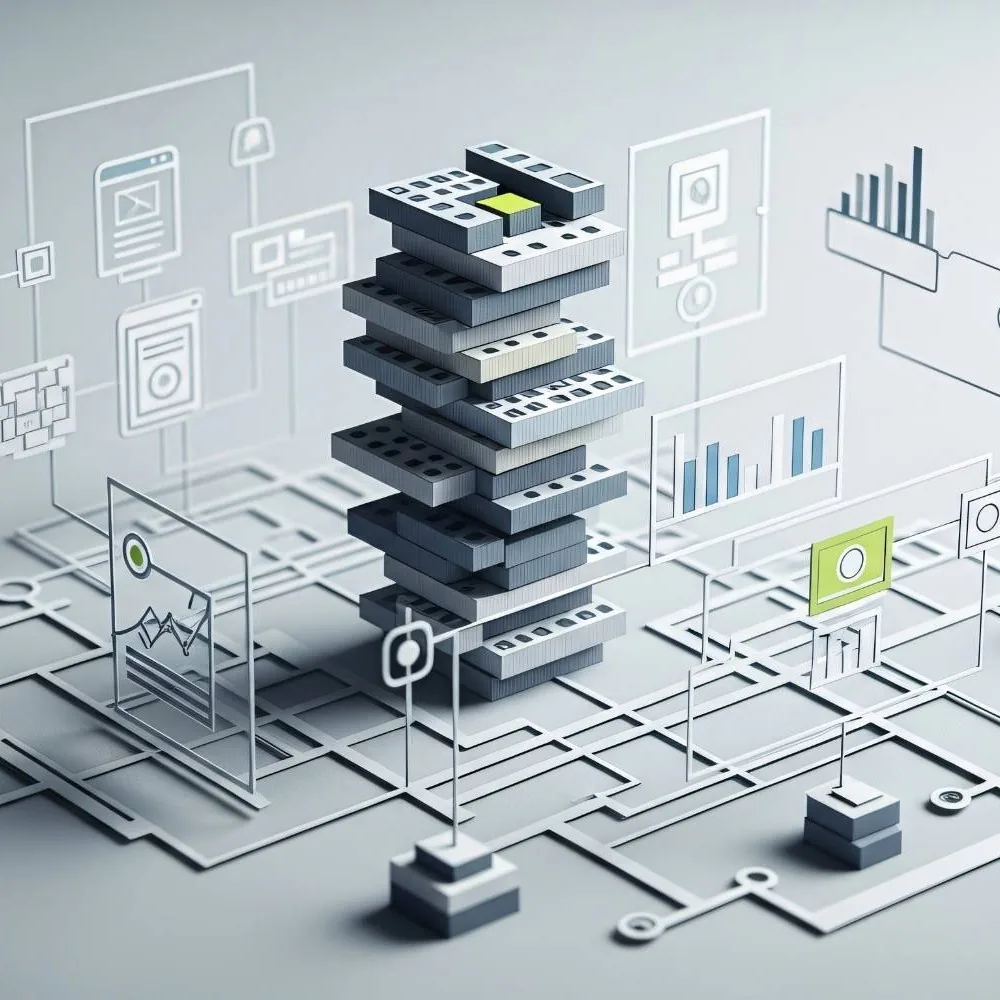
Strategic Level: Performance Logic and Planning Frameworks (Ref: SL-PL_WJZNKHYG)
The Intersection of Strategic Intent and Performance Logic
In the evolving landscape of affiliate marketing and digital growth, the ability to synthesise high-level strategy with granular performance data is what separates market leaders from those merely reacting to fluctuations. The Strategic Level (SL) and Performance Logic (PL) framework, specifically under the methodology reference WJZNKHYG, provides a structured approach to ensuring that every data point captured serves a broader commercial objective. This alignment is critical for performance marketers who must navigate increasingly complex data environments without losing sight of the primary growth drivers.
Establishing a comprehensive framework for growth reporting allows marketers to translate complex performance data into clear, actionable insights for long-term strategic planning.
Strategic Level evaluation is not merely about observing the final numbers; it is about understanding the underlying logic that produces those numbers. When we discuss Performance Logic, we are referring to the causal chain of events—from initial impression to final conversion—and how each link in that chain is influenced by strategic choices. By categorising these interactions, marketers can move beyond descriptive analytics into the realm of prescriptive insights, where data actually dictates the next tactical move.
Defining the SL-PL Framework in Growth Reporting
The SL-PL framework operates on the principle that data context is the most valuable asset in a performance marketer’s toolkit. Without a clear strategic level overview, performance metrics such as Click-Through Rate (CTR) or Return on Ad Spend (ROAS) exist in a vacuum. The WJZNKHYG protocol emphasises that these metrics must be interpreted through the lens of specific growth stages. For instance, a high ROAS might be a negative indicator if the strategic goal is aggressive market penetration at the expense of short-term margins.
The Strategic Level (SL) Layer
At the Strategic Level, the focus is on long-term sustainability and brand positioning within the affiliate ecosystem. This involves evaluating the quality of traffic sources, the longevity of customer relationships, and the overall health of the performance funnel. Decisions at this level are often structural, involving changes to commission models, partnership tiers, or overall value propositions. The SL layer ensures that the performance engine is pointed in the right direction before the throttle is applied.
The Performance Logic (PL) Layer
Performance Logic is the operational engine that executes the strategy. It involves the technical optimisation of campaigns, the refinement of creative assets, and the meticulous management of conversion paths. The logic here is data-driven and iterative. It asks: “Does this specific change in the user journey correlate with an improvement in the Strategic Level objective?” If the logic is sound, the micro-optimisations performed at the PL layer will naturally manifest as growth at the SL layer.
Bridging the Gap Between Macro Goals and Micro Metrics
One of the most common failures in performance marketing is the ‘disconnect’—where the team managing the daily performance metrics is out of sync with the broader strategic goals of the organisation. To bridge this gap, the SL-PL_WJZNKHYG framework introduces intermediary evaluation levels. These levels act as filters, ensuring that only relevant data reaches the decision-makers at the Strategic Level, while ensuring that the Performance Logic remains flexible enough to respond to market volatility.
- Attribution Weighting: Assigning value to touchpoints based on their strategic importance rather than just their position in the funnel.
- Cohort Analysis: Segmenting performance data to identify which strategic cohorts are delivering the highest lifetime value.
- Elasticity Testing: Determining how sensitive performance logic is to changes in strategic variables like pricing or offer structure.
By implementing these bridges, organisations can ensure that their growth reporting is not just a historical record of what happened, but a roadmap for what should happen next. This level of sophistication in reporting requires a move away from standard dashboards and towards custom-tailored insights that reflect the unique logic of the specific business model.
Identifying Leakage in the Performance Logic Chain
Even the most robust strategies can fail if there is ‘leakage’ in the performance logic. Leakage occurs when the tactical execution deviates from the strategic intent, often due to a focus on vanity metrics or a misunderstanding of the target audience’s behaviour. Identifying these points of failure requires a deep dive into the data-driven decisions made at the PL level. Is the traffic being acquired actually capable of meeting the SL requirements for retention? Is the performance data being over-optimised for a single channel at the expense of the total ecosystem?
The WJZNKHYG methodology suggests a periodic audit of the Performance Logic chain. This involves tracing a successful conversion back through every touchpoint and comparing that journey against the idealised strategic persona. Discrepancies found during this process are often the most fertile ground for performance breakthroughs. When the logic is repaired, the efficiency of the entire growth engine increases exponentially.
Strategic Alignment and Data Integrity
Ultimately, the success of the SL-PL framework depends on the integrity of the data being analysed. In the context of affiliate marketing education, we frequently see practitioners making high-level strategic decisions based on flawed or incomplete performance data. Ensuring data integrity involves more than just technical tracking; it involves ensuring that the data being collected is actually representative of the performance logic you intend to measure.
This requires a disciplined approach to growth reporting where every metric is questioned for its relevance to the Strategic Level. If a metric does not inform a strategic decision or validate a performance logic, it is likely noise. By stripping away this noise, marketers can focus on the ‘Evaluation Levels’ that truly matter, leading to more confident, data-driven decisions that stand the test of market shifts and competitive pressures. The integration of SL and PL is not a one-time task but a continuous process of refinement, ensuring that the performance marketing strategy remains as dynamic as the digital landscape itself.